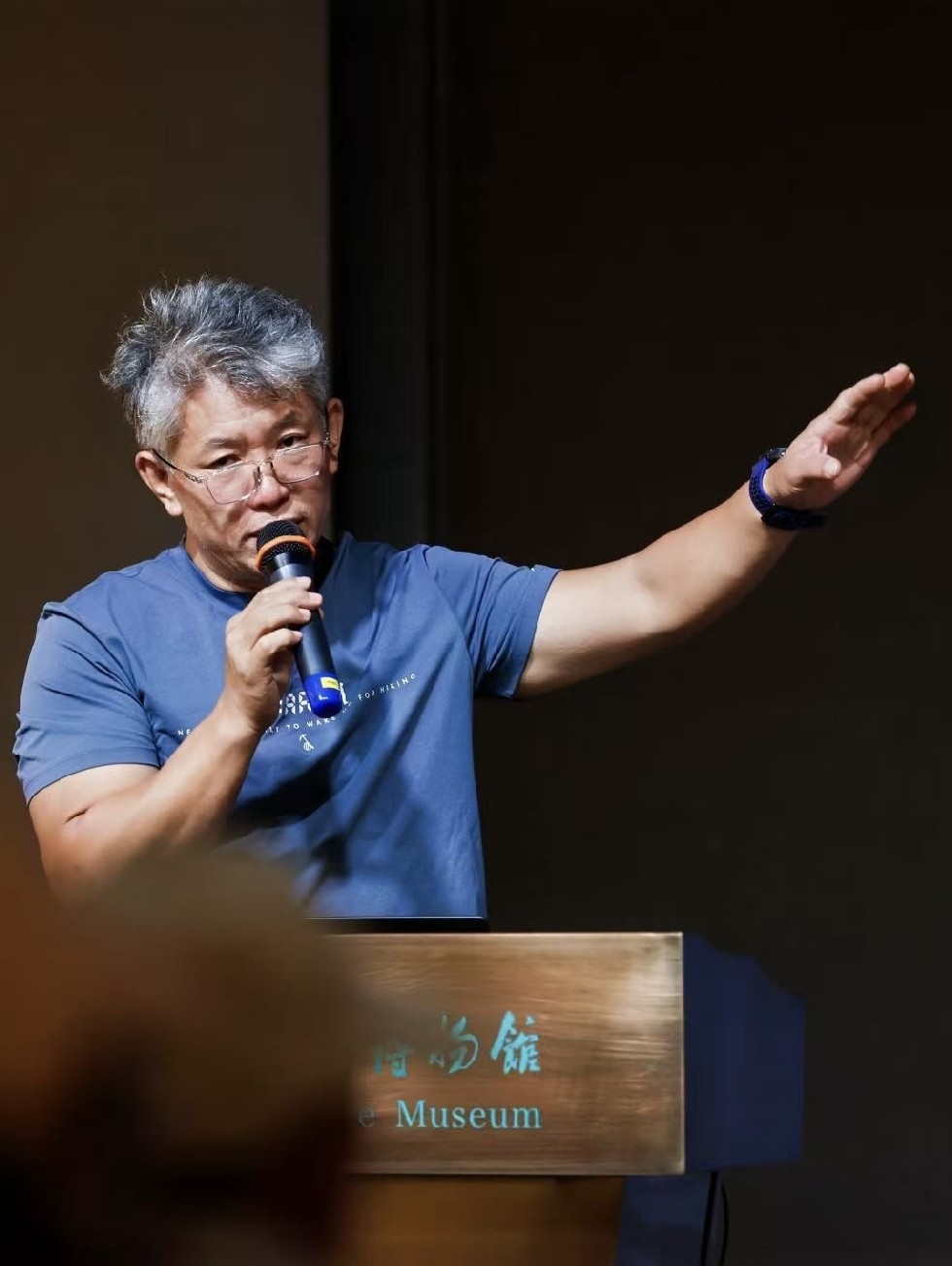
厉春(本名:厉晋春)|山西博物院专职文物摄影师。出版物、考古简报署名多用厉晋春;媒体、讲座、馆内活动署名厉春,为同一人。
基本背景:
从业二十余年,山西博物院正式在岗文物摄影,兼顾馆内馆藏器物拍摄、重大考古现场记录、展览图册出版影像、文博公众摄影授课。
参与一线考古记录:忻州九原岗北朝壁画、朔州水泉梁北齐壁画墓等重大墓葬现场拍摄,大量考古简报、展览画册图片出自他手。
工作内容:
1. 馆藏文物标准化拍摄:青铜器、陶瓷、金银器、壁画、造像彩塑,为出版物、展览、资料库输出高清档案影像;《壁上万千》等山西博物院展览图册主力摄影。
2. 考古现场纪实摄影:墓葬发掘、壁画揭取、遗迹现场记录,考古报告大量图版署名厉晋春。
3. 文博科普教学:遗产日开设文物摄影公开讲座,分享布光、文物安全、色彩校准、后期规范,面向文博从业者与爱好者授课。
摄影风格与水平定位:
属于博物馆体制内标准文物摄影,优先服从文博档案要求:
• 优先做到形态准确、色彩忠实、纹饰细节完整,克制主观艺术渲染,保证学术严谨性;
• 布光克制柔和,规避反光,完整还原器物体积、纹饰层次,兼顾印刷出版(CMYK)与数字资料库两套输出;
• 短板:较少做强艺术化主观创作,不以个人艺术表达优先,核心服务考古、展览、出版需求。
行业定位:国内省级博物馆第一梯队文物档案摄影师,山西文博影像核心产出者。
版权关键点(职务作品)
厉春拍摄的馆内文物、考古现场照片,属于职务作品:
• 摄影师本人享有署名权;
• 复制、出版、传播等其他著作权归山西博物院所有,个人不能随意商用授权。
主要产出载体:
山西博物院各类展览图录、考古发掘简报、馆官方公众号/官网配图、央视、山西媒体文博专题影像素材。
厉春(厉晋春)摄影作品汇总:
出版物署名厉晋春,媒体、讲座署名厉春,职务作品,版权归属山西博物院,个人享有署名权。
分为正式出版图册、考古现场摄影、馆藏文物摄影、展览出版物四大类。
一、正式出版图册(山西国宝精华 / 和光静影系列,三晋出版社,摄影:厉晋春)
这是他最具代表性公开出版物,全部高清文物影像:
1. 《北朝九原岗墓壁画》——忻州九原岗北朝墓,狩猎图、升仙图全套壁画拍摄
2. 《北齐水泉梁墓壁画》——朔州水泉梁北齐墓,仪仗、鞍马壁画现场拍摄
3. 《北齐娄睿墓壁画》
4. 《北齐徐显秀墓壁画》
5. 《高平铁佛寺明塑二十四诸天》——铁佛寺二十四诸天彩塑高清图册
6. 《晋城玉皇庙元塑二十八星宿》——玉皇庙元代星宿彩塑
7. 《崇庆寺宋塑十八罗汉》
8. 《法兴寺宋塑十二圆觉菩萨》
9. 《晋祠圣母殿宋塑侍女》
二、博物馆展览配套图录
1. 《壁上乾坤:山西北朝墓葬壁画艺术》(2019北朝壁画大展),主力图片摄影,九原岗、水泉梁、娄睿、徐显秀壁画现场影像。
2. 《壁上万千:山西宋金壁画中的众生气象》,宋金墓葬壁画、砖雕摄影,郝匠金墓等宋金墓图像。
三、考古发掘现场摄影(考古简报、报告配图)
• 忻州九原岗北朝壁画墓:发掘全过程、墓道狩猎图、升仙图、雷公风伯神兽壁画
• 朔州水泉梁北齐壁画墓:墓室全景、东壁鞍马仪仗、墓内壁画残片记录
• 晋城郝匠金墓:金代砖雕壁画墓考古记录,简报摄影署名厉晋春
• 厍狄迴洛墓出土器物、北朝陶俑、金银器现场拍摄
四、山西博物院馆藏文物拍摄(档案、官网、公众号、日历配图)
晋博大量镇馆之宝档案照出自他手,无独立个人画册,分散于出版物:
• 青铜器:晋侯鸟尊、龙形觥、铜牺立人擎盘、晋侯墓地青铜礼器
• 金银器:厍狄迴洛墓鎏金铜三足器、北朝金银器具
• 玉器:晋侯玉组佩等
• 造像:北朝石造像、佛风遗韵展厅石刻造像
• 壁画:馆藏宋金墓葬揭取壁画砖雕
五、其他载体
1. 《山西文物日历》系列(壁画版、馆藏版)大量图片采用厉晋春拍摄原图
2. 山西博物院官网、公众号、短视频大部分文物档案图
3. 央视、文博媒体山西文物专题的文物插图
重要说明:
厉春属于博物馆专职文物档案摄影师,没有个人艺术摄影画册,作品几乎全部附着在考古报告、博物馆展览图录、山西国宝精华这套丛书中,不能私自商用,属于职务作品。
Li Chun (real name: Li Jinchun) | Full-time cultural heritage photographer at the Shanxi Museum. In publications and archaeological bulletins, the name used is typically "Li Jinchun"; in media outlets, lectures, and museum events, the name used is "Li Chun" —both refer to the same person.Basic Background: With over two decades of experience, the Shanxi Museum's Cultural Relics Photography Department is officially engaged in professional cultural relic photography, encompassing the documentation of the museum's collection items, recording major archaeological sites, producing imagery for exhibition catalogues, and conducting public photography education programs for cultural heritage institutions.He participated in frontline archaeological documentation, including on-site photography at major burial sites such as the Northern Dynasties mural tomb at Jiuyuangang in Xinzhou and the Northern Qi mural tomb at Shuichuangling in Shuozhou; he also contributed numerous archaeological briefing materials and images for exhibition catalogues.job content:
1. Standardized photography of museum collections: high-definition archival images of bronze ware, ceramics, gold and silver artifacts, murals, and colored Buddhist sculptures are produced for publication, exhibition, and database use; serves as the primary photographic source for exhibition catalogs, including the "Wàn Qiān on the Wall" exhibition catalog, at the Shanxi Museum.
2. Field documentation photography for archaeological sites: tomb excavations, mural restoration, and on-site recording of heritage sites; the archaeological report contains numerous plates signed by Li Jinchun.
3. Cultural Heritage Science Outreach Program: On Heritage Day, an open public lecture on cultural heritage photography will be held, covering topics such as lighting techniques, cultural heritage conservation, color calibration, and post-processing standards, aimed at professionals and enthusiasts in the cultural heritage sector.Photography Style and Technical Level:This refers to standard cultural heritage artifact photography conducted within the museum system; it shall prioritize compliance with the requirements of cultural and museum archives:• Prioritize accurate form representation, faithful color reproduction, and complete decorative detail preservation; minimize subjective artistic embellishment to ensure academic rigor; • Employ restrained, soft lighting to avoid glare, fully restoring the object's volume and decorative layering, while supporting both print publication (CMYK) and digital database output formats; • Limitation: Limited emphasis on strong, subjective artistic expression; personal artistic expression is not prioritized; the core service is tailored to meet the needs of archaeology, exhibition, and publishing applications.Industry Positioning: A leading cultural heritage archive photographer among provincial-level museums in China, and the core creator of cultural heritage imagery for Shanxi's museum sector.Copyright Key Point (Employment-Related Works): The photographs taken by Li Chun of cultural relics and archaeological sites within the museum constitute employment-related works:• The photographer retains the right of attribution; • All other copyright interests – including reproduction, publication, distribution, and other related rights – belong to the Shanxi Museum; individuals may not grant commercial use licenses without authorization.Primary output Carrier:Exhibition catalogs from the Shanxi Museum; archaeological excavation briefings; illustrations accompanying the museum's official WeChat account or website; video materials for special cultural and museum-themed programs broadcast by CCTV and local Shanxi media outlets.A compilation of photographic works by Li Chun (Li Jinchun); for publications, the is Li Jinchun; for media appearances and lectures, the is Li Chun; this constitutes a work created for hire; the copyright is owned by the Shanxi Museum, while the individual retains the right of attribution.These are categorized into four main types: officially published photo albums, photography of archaeological sites, photography of museum collections, and exhibition publications.
4. Officially published album (Shanxi National Treasures Essence / Heguang Jingying Series, Sanjin Press; Photography by Li Jinchun) – This is his most representative publicly published work, featuring comprehensive high-definition images of cultural relics:
5. Mural Paintings from the Jiuyuangang Tomb of the Northern Dynasties – A complete set of mural paintings depicting hunting scenes and the journey to immortality, photographed at the Jiuyuangang Northern Dynasties tomb in Xinzhou; 2. Mural Paintings from the Shuiquanliang Tomb of the Northern Qi Dynasty – On-site photography of ceremonial processions and equestrian scenes from the Shuiquanliang Northern Qi Dynasty tomb in Shuozhou; 3. Mural Paintings from the Tomb of Lou Rui of the Northern Qi Dynasty; 4. Mural Paintings from the Tomb of Xu Xianxiu of the Northern Qi Dynasty; 5. The 24 Deities depicted in high-resolution color sculptures at the Tiefosi Temple in Gaoping – A high-definition album of the 24 Deities' colored sculptures at the Tiefosi Temple; 6. The 28 Constellations depicted in Yuan Dynasty colored sculptures at the Yuhuang Temple in Jincheng – Yuan Dynasty colored sculptures representing the 28 constellations at the Yuhuang Temple; 7. The 18 Arhats depicted in Song Dynasty sculptures at the Chongqing Temple; 8. The 12 Bodhisattvas of the Twelve Luminous Awakening depicted in Song Dynasty sculptures at the Faxing Temple; 9. The maidens depicted in Song Dynasty sculptures at the Holy Mother Hall of the Jinci Temple. II. Museum Exhibition Companion Catalog: 1. The Universe on the Wall: The Art of Northern Dynasties Tomb Mural Paintings in Shanxi (2019 Northern Dynasties Mural Paintings Grand Exhibition) – Primary photographic work featuring on-site footage of the Jiuyuangang, Shuiquanliang, Lou Rui, and Xu Xianxiu tomb murals.
6.Ten Thousand Wall Paintings: The Multitudes of Beings in Song and Jin Dynasty Wall Paintings of Shanxi – Photographs of Song–Jin dynasty tomb murals and brick carvings, including images of Song–Jin dynasty tombs such as the tomb of Hao Jiangjin.III. Archaeological Excavation Site Photography (for archaeological briefings and reports): • Jiuyuangang Northern Dynasties Murals Tomb, Xinzhou: complete excavation process; hunting scene mural; ascension to immortality scene mural; Thunder God, Wind Lord and Divine Beast Mural; • Shuichuangling Northern Qi Murals Tomb, Shuozhou: panoramic view of the burial chamber; equestrian ceremonial scene on the eastern wall; records of fragmented interior mural fragments; • Hao Jiang's Jin Dynasty Tomb, Jincheng: archaeological documentation of the Jin Dynasty brick-carved mural tomb; photography for the briefings credited to Li Jinchun; on-site photography of artifacts unearthed from the Haidi Huiluo Tomb, Northern Dynasties ceramic figurines, and gold and silver artifacts. IV. Photography of Cultural Relics in the Collection of the Shanxi Museum (for archival materials, official website, WeChat public account, and calendar displays): A large number of archival photographs of the Shanxi Museum's prized collections were taken by this photographer; no standalone personal album exists; these photographs are dispersed across various publications.• Bronze ware: Jin Hou Bird Zun, Dragon-shaped Gong, Bronze Standing Figure Holding a Plate, and other bronze ritual vessels from the Jin Hou tomb site; • Gold and silver ware: Gilded bronze three-legged vessel from the Shudi Huiluo tomb, and gold and silver artifacts from the Northern Dynasties; • Jade ware: Jade pendant sets belonging to the Jin Hou family, etc.; • Buddhist sculptures: Stone statues from the Northern Dynasties, and stone carving sculptures displayed in the "Buddhist Artistic Legacy" exhibition hall; • Wall paintings: Wall painting bricks and stone carvings excavated from Song and Jin dynasty tombs held in the museum's collection; V. Other Media: 1. The "Shanxi Cultural Relics Calendar" series (Wall Painting Edition and Museum Collection Edition) – a large number of images are original photographs taken by Li Jinchun; 2. Most cultural relic archival images are sourced from the Shanxi Museum's official website, WeChat public account, and short video platforms; 3. Cultural relic illustrations from the "Shanxi Cultural Relics" special feature on CCTV and other cultural heritage media outlets; Important Note:Li Chun is a full-time museum cultural heritage archival photographer who does not possess an individual artistic photography portfolio; nearly all of his works are published in archaeological reports, museum exhibition catalogs, or the "Shanxi National Treasures" series of books. These works may not be used for commercial purposes without authorization and are classified as works created in the course of employment.(注:来自智能翻译)
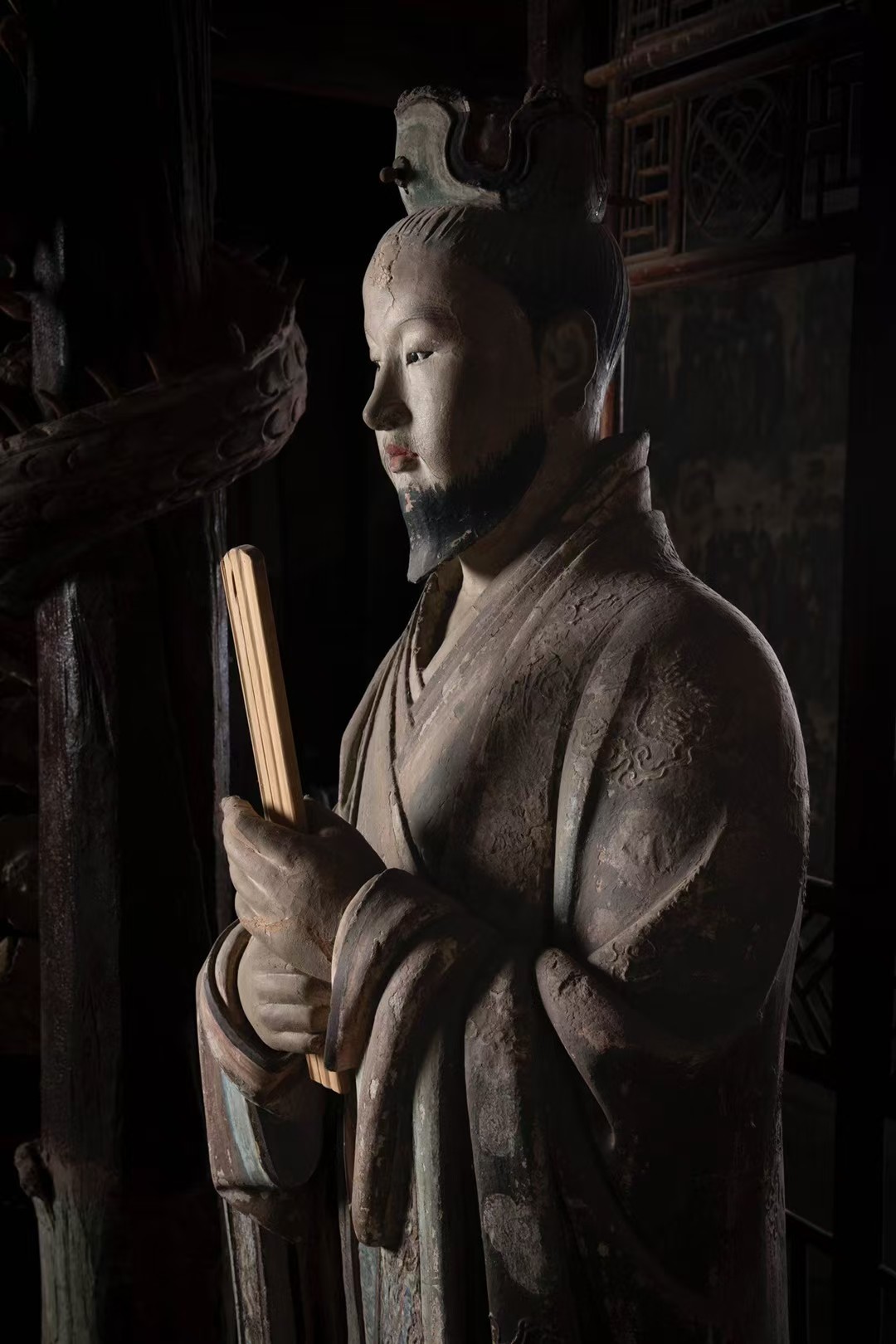
山西国宝雕塑精华 厉晋春
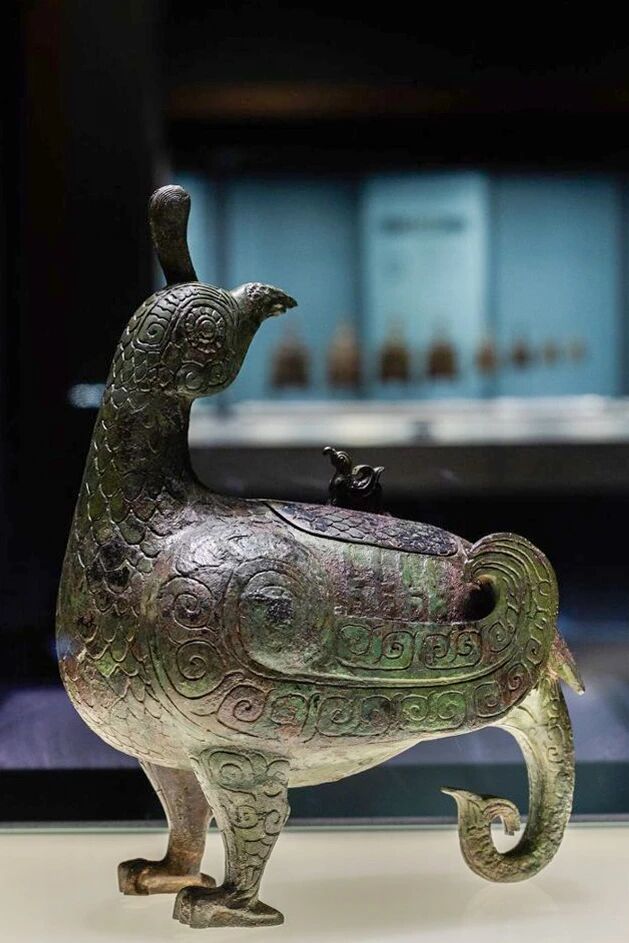
西周晋侯鸟尊 山西博物院镇馆之宝 厉春拍摄
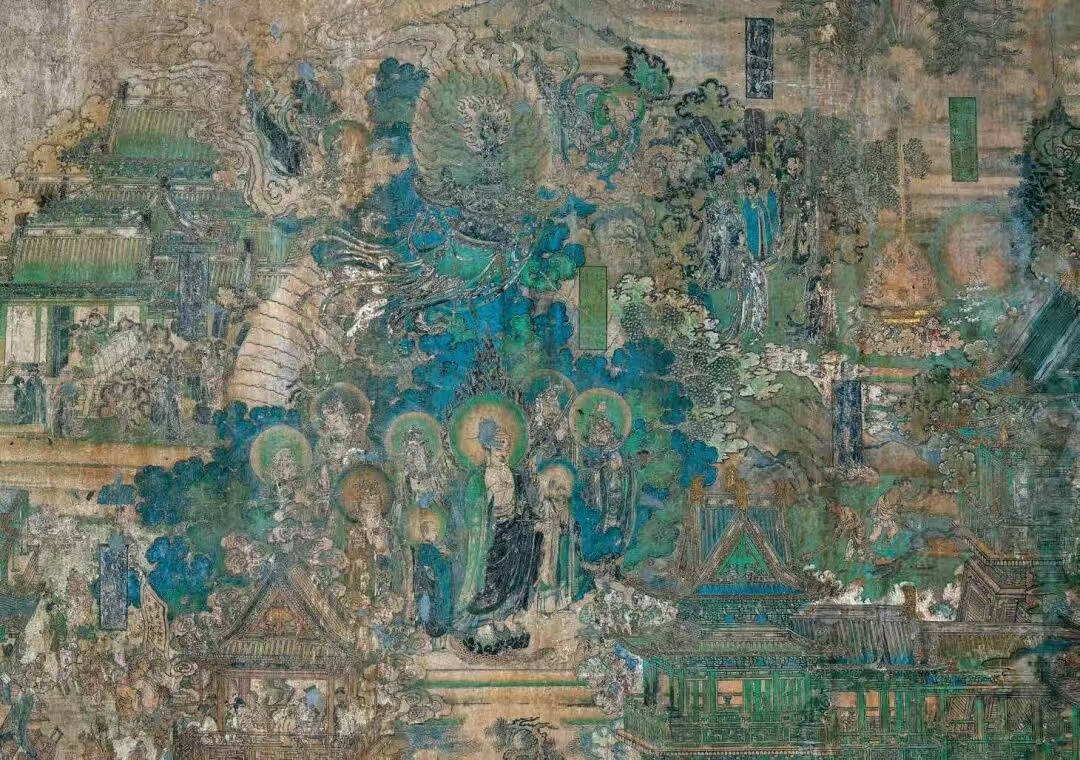
繁峙岩山寺文殊殿金代壁画(东壁·鬼子母经变局部)厉春拍摄