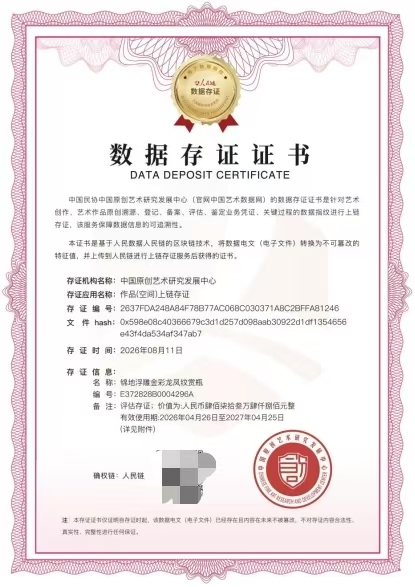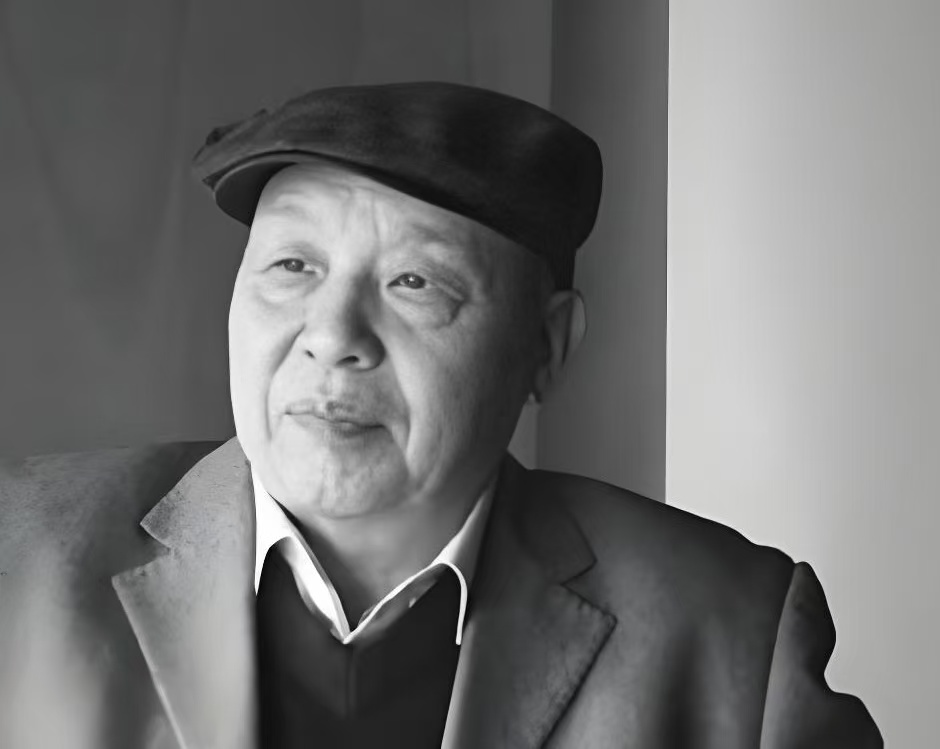
刘松林,出生于1949年,出生于北京市,曾担任中央书画艺术研究院执行院长、北京陈半丁艺术研究会会长、中国收藏家协会文化研究委员会顾问。中国楹联学会书法委员会委员、中国书法家协会会员,军人、艺术家、文史研究家。
人物经历
刘松林的篆书从《赵铁山》进,主攻《泰山刻石》;隶书临习《张迁碑》、《金农》;魏碑临习《爨宝子碑》、《郑文公碑》;唐楷从颜真卿《勤礼碑》步入,行书则从米芾入手,上溯王羲之,草书则临孙过庭和王铎。在名碑古贴的钻研后,大胆创新,根深才能叶茂。
主要贡献
1990年,刘松林的书法作品,刊登在国内《书法》书刊中;
1991年8月,为《北京日报》钟鼓楼栏目,题写“钟鼓楼”;
1998年,由中央书画艺术研究院编辑,启功先生题写书名的《松林书法》出版;
1999年,刘松林受邀中华人民共和国建国50周年国庆阅兵典礼;
2003年,被聘为“文化部侨联文华阁书画院”顾问;
2004年,欧阳中石题词,中央文史馆主办的《羲之书画报》整幅版面刊登刘松林作品;
2004年,中央书画艺术研究院出版《刘松林书法》;
2005年12月,被北京市高等院校招生委员会聘请为“北京市2006年高等学校招收艺术特长生艺术等级测试评委”;
2011年,《羲之书画报》以“艺如其人,书妙品正”为标题再次刊登了刘松林的作品,多年来刘松林的作品被《人民日报》、《中华书画》等报纸刊登。
2012年,曾多次赴海外进行文化交流,与国家文物鉴定委员会一同赴欧洲考察,与何鸿燊在澳门进行书画艺术交流,被“北京中韩书画家联谊会”聘为顾问,与韩国,新加坡,法国书画艺术家进行文化艺术交流。
刘松林在个人艺术取得成就的同时,在艺术研究上同样具有很深造诣,曾著有《学书指要》《书法指要》两本书籍,标题均为启功题写;
1987年,刘松林书写《鲁迅诗词》作品入选空军政治部书法作品展;
1991年,出版的空军刊物《领航》刊名为刘松林题写,
1991年,庆祝中华人民共和国成立四十二周年,刘松林书写“爱党兴国”被国内多家报刊刊登,
1991年,由刘海粟题字的《书法艺术》一书中刊登了刘松林“要用发展的观点对待新魏体”一文;
1992年,《书法》《中国戏剧》等书籍中刊登了刘松林艺术研究文章;
2000年,中央文史馆主办的《世纪》杂志在多期刊物中多次刊登刘松林的文化艺术研究以及书法作品;
2007年,国务院参事室和中央文史馆为了普及宣传中国书画艺术需要创立一个国家历史性艺术类大型专业刊物,这个任务交给了刘松林。
人物任职
中国书法家协会会员
中国楹联学会书法委员会委员
中国名家书画研究院名誉院长
中华收藏家协会顾问
中韩书画家联谊会顾问
Liu Songlin, born in 1949 in Beijing, has served as Executive President of the Central Academy of Calligraphy and Painting Arts, President of the Beijing Chen Banding Art Research Association, and Advisor to the Cultural Research Committee of the China Collectors Association. He is also a member of the Calligraphy Committee of the China Couplet Society, a member of the Chinese Calligraphers Association, and a military officer, artist, and cultural historian.
Liu Songlin's calligraphic journey began with studying the seal script of Zhao Tieshan, focusing primarily on the Taishan Stone Inscriptions; he practiced clerical script by copying the Zhang Qian Stele and Jin Nong's works; for Wei dynasty steles, he studied the Cuan Baozi Stele and Zheng Wengong Stele; his Tang dynasty regular script training started with Yan Zhenqing's Qinli Stele, while his running script practice began with Mi Fu and traced back to Wang Xizhi; his cursive script was developed through copying Sun Guoting and Wang Duo. After thorough research into renowned steles and ancient models, he boldly innovated—only with solid foundations can one achieve remarkable progress.
Key Contributions: In 1990, Liu Songlin's calligraphic works were published in the domestic journal Calligraphy. In August 1991, he inscribed the title "Zhonggulou" for the Zhonggulou section of the Beijing Daily. In 1998, Songlin Calligraphy, edited by the Central Academy of Painting and Calligraphy and titled with an inscription by Mr.Qi Gong, was published. In 1999, Liu was invited to participate in the National Day military parade commemorating the 50th anniversary of the founding of the People's Republic of China. In 2003, he was appointed advisor to the Wenhua Pavilion Calligraphy and Painting Institute under the Overseas Chinese Federation of the Ministry of Culture. In 2004, his works were featured across a full page in the Xi Zhi Calligraphy and Painting Newspaper published by the Central Institute of Cultural History, with an inscription by Ouyang Zhongshi; the same year, the Central Academy of Painting and Calligraphy released Liu Songlin Calligraphy. In December 2005, he was appointed as a judge for the 2006 Art Proficiency Test for art-specialized students by the Beijing Higher Education Admissions Committee. In 2011, Xi Zhi Calligraphy and Painting Newspaper republished his works under the headline "Art Reflects Character; Calligraphy Demonstrates Excellence." Over the years, Liu's works have been published in newspapers including People's Daily and Chinese Calligraphy and Painting.
In 2012, he made multiple overseas cultural exchange trips, including a joint research visit to Europe with the National Cultural Relics Appraisal Committee, artistic exchanges in calligraphy and painting with Stanley Ho in Macau, appointment as an advisor by the Beijing China-Korea Calligraphers and Painters Association, and cultural collaborations with artists from South Korea, Singapore, and France.
While achieving remarkable success in his personal artistic endeavors, Liu Songlin also possessed profound expertise in art research. He authored two books titled Essentials of Calligraphy Study and Essentials of Calligraphy, both inscribed by Qi Gong. In 1987, his work Lu Xun's Poetry was selected for the calligraphy exhibition organized by the Political Department of the Air Force. In 1991, his inscription appeared on the Air Force publication Navigation. That same year, to celebrate the 42nd anniversary of the founding of the People's Republic of China, his phrase "Love the Party and Revitalize the Nation" was published in numerous domestic newspapers. Additionally, his article "Approaching the New Wei Script from a Developmental Perspective" was featured in the book Calligraphic Art, inscribed by Liu Haisu. In 1992, his research articles were published in publications such as Calligraphy and China Drama. In 2000, the journal Century, sponsored by the Central Institute of Cultural History, frequently published Liu Songlin's cultural-artistic studies and calligraphic works across various issues. In 2007, the Office of Counselors of the State Council and the Central Institute of Cultural History tasked him with establishing a large-scale national professional journal dedicated to promoting Chinese calligraphy and painting arts.
Position: Member of the China Calligraphers Association; Member of the Calligraphy Committee of the China Couplet Society; Honorary President of the China Famous Artists Painting and Calligraphy Research Institute; Advisor to the China Collectors Association; Advisor to the China-Korea Artists Painting and Calligraphy Association.(注:来自智能翻译)
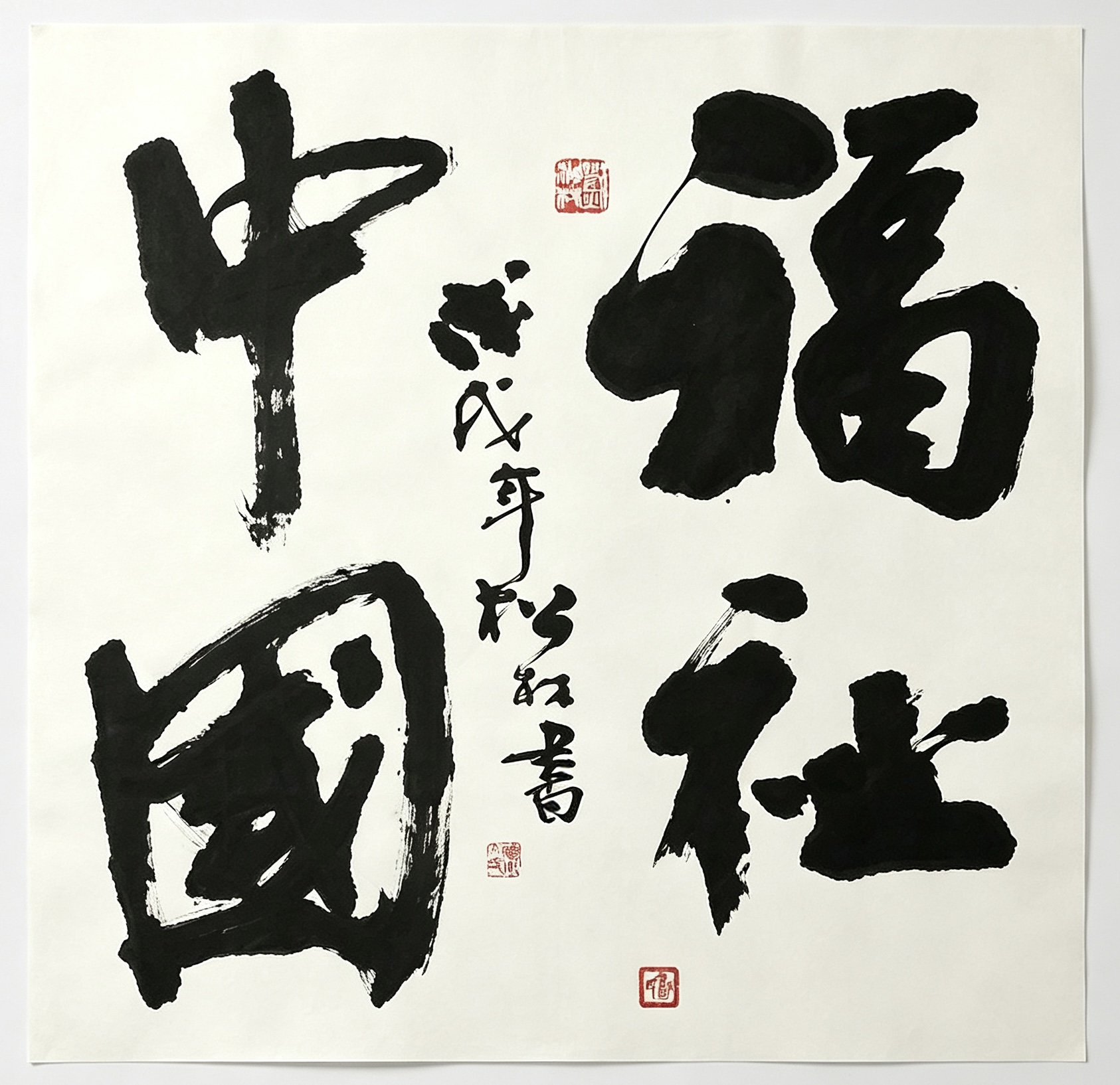
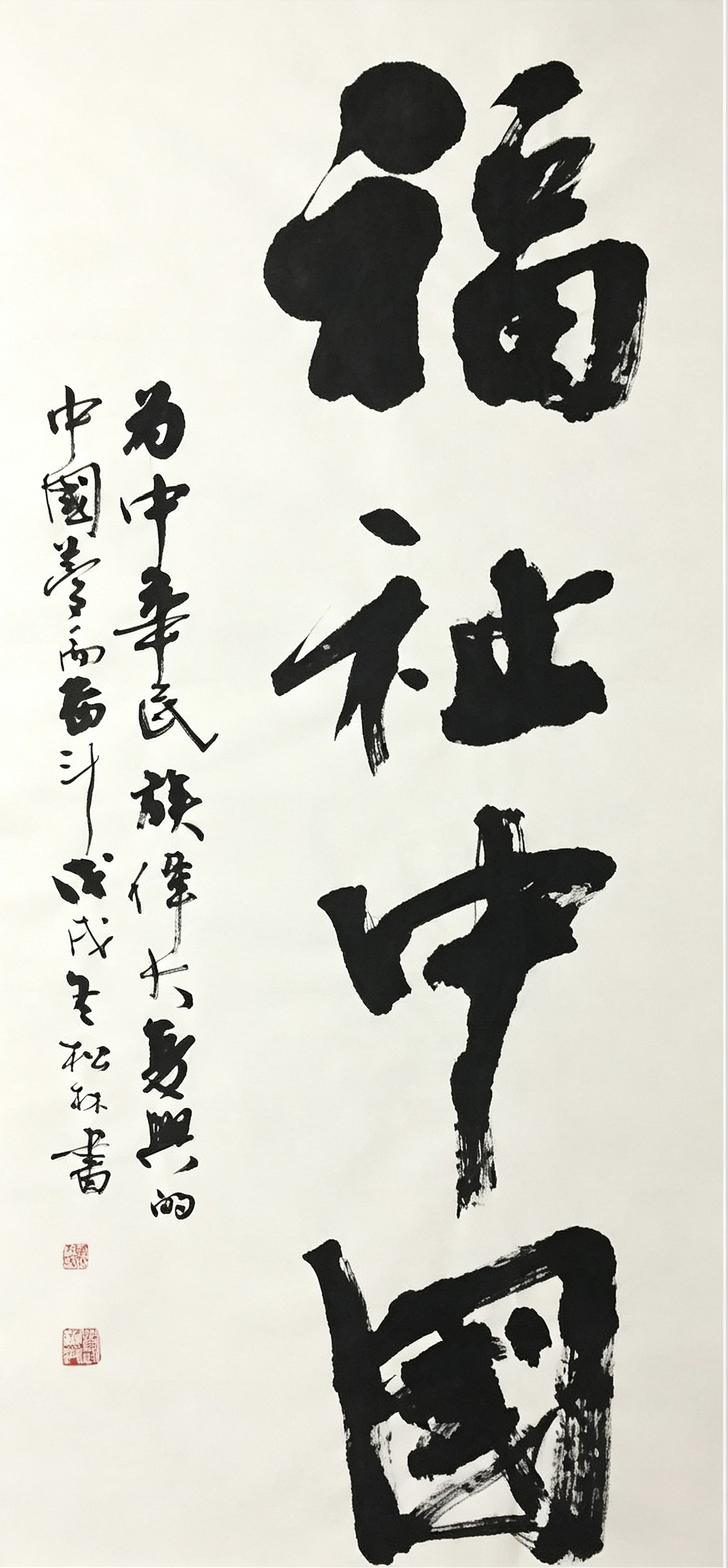
刘松林作品《福祉中国》
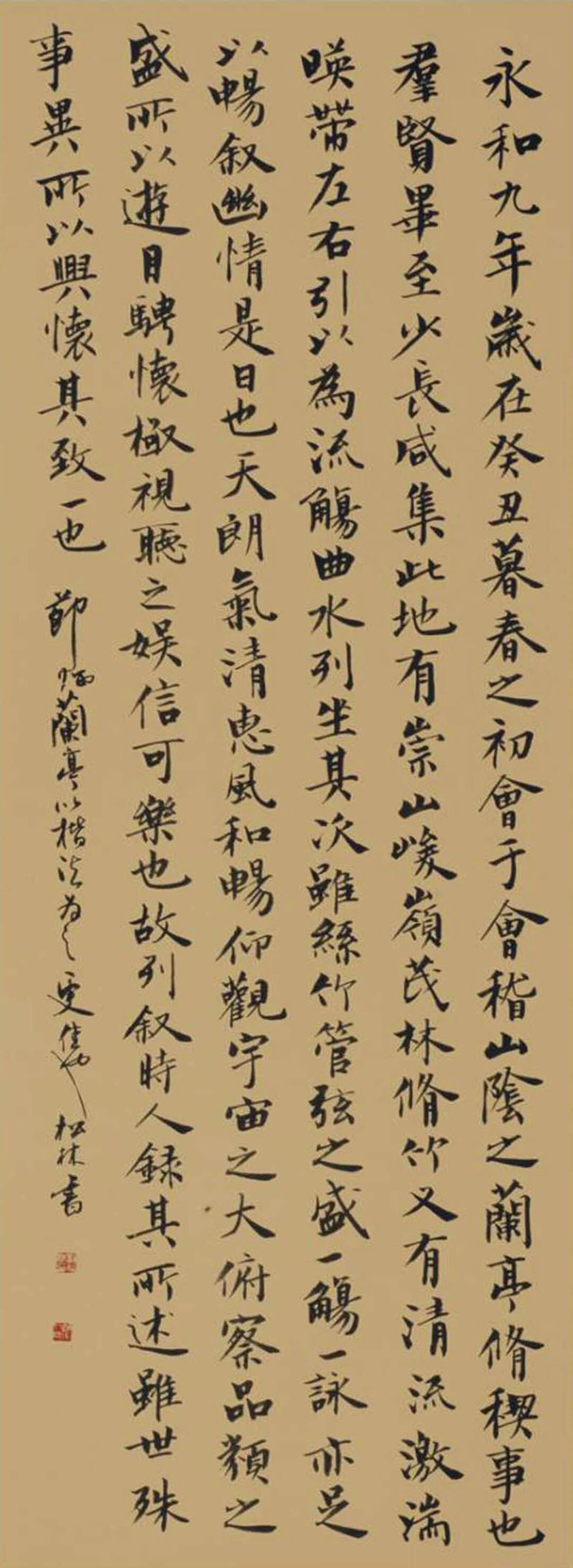
楷书《兰亭集序》138cm x 34cm