子籣(本名陈新宇)1967年出生于四川成都,1988年毕业于成都大学中文系。
早期职业:教师、编辑、记者、心理工作者。2007年,在四川绵阳的一次心理学课程中,因一次偶然的走神,萌生了绘画的念头,开始用笔墨和色彩表达对人们内在世界的感知。
艺术风格与创作理念
初期风格:较为平面地表达人们的能量与场性,主要探索人类内在能量状态的视觉呈现。
风格转变:2013年,因人生中的一次大机缘,创作风格发生显著变化,从平面表达逐渐走向更深层、多维的空间探索。
代表系列:“脑宇图”系列,以点阵形式表现人类杰出个体的思维结构与空间运动形态,旨在描绘人们如同宇宙一般浩渺的思维空间。
主要作品
“脑宇图”系列:自2015年开始创作,计划完成64幅作品,每幅作品基于一位旋转型思维结构的杰出人物,对其思维的原始布局进行视觉化的探索与呈现。
作品特点:以独特的点阵语言揭示伟大头脑中的思维星河,带领观者进入一个充满想象与哲思的多维空间。
代表作:如“爱因斯坦”的脑宇图,通过精确的点阵和色彩交织,展现思维的复杂性与精妙浩瀚。
艺术理念与哲学思考
她认为,“脑宇图”不仅仅是画作,更是一把钥匙,能够进入奇妙的场性,感受杰出人物思维的奥秘,在思维的宇宙中自由翱翔,碰撞出灵感的火花。
哲学思考:在人工智能时代,通过“脑宇图”探索人类思维的内在发展,认为无论外境如何变化,人们内在的精神进化是没有止境的。
发展方向:致力于向着更广阔、美好、光亮的思维空间和精神内质进化,继续探索人类思维的无限可能性。
创作意义:在创作过程中,感受到杰出人物的精神内力给予的巨大加持和启发,引导我找寻到自己的方向,感谢所有引领的力量。
ZI Lan (born Chen Xinyu) was born in Chengdu, Sichuan Province in 1967 and graduated from the Department of Chinese Language and Literature at Chengdu University in 1988.
Early careers included teaching, editing, journalism, and psychological work. In 2007, during a psychology course in Mianyang, Sichuan, a momentary lapse in concentration sparked his interest in painting, leading him to begin expressing his perception of the human inner world through brushwork and color.
Artistic Style and Creative Concept: Early Stage – The style presents human energy and presence in a relatively two-dimensional manner, primarily exploring visual representations of intrinsic human energy states.
Style Transformation: In 2013, a pivotal life experience brought about a significant shift in his artistic approach, evolving from two-dimensional expression to deeper, multidimensional spatial exploration.
The representative series, "Brain Atlas," presents the cognitive structures and spatial patterns of outstanding individuals through a grid-based representation, aiming to depict their mind's vastness akin to the universe itself.
The flagship work series "Brain Map": Launched in 2015, it aims to complete 64 pieces, each depicting a prominent figure with a rotational thinking framework and visually exploring their original cognitive architecture.
Key Features: Using a unique grid-based visual language, it reveals the intellectual galaxy within great minds,transporting viewers into a multidimensional space brimming with imagination and philosophical depth.
Notable works include the brain map titled "Einstein," which uses precise point arrays and intricate color interplay to showcase the complexity and profound depth of thought.
Regarding artistic philosophy and philosophical reflection, she believes that "Brain Map" is not merely a painting but a key that unlocks a wondrous realm, allowing one to grasp the mysteries of exceptional minds, soar freely through the universe of thought, and spark moments of inspiration.
Philosophical reflection: In the age of artificial intelligence, the "Brain Atlas" explores the intrinsic development of human thought, demonstrating that regardless of external changes, humanity's inner spiritual evolution knows no bounds.
Development Direction: Committed to evolving toward a broader, more beautiful, and brighter realm of thought and spiritual essence, while continuously exploring the infinite possibilities of human cognition.
The significance of this creation lies in the profound inspiration and empowerment I received from the spiritual strength of remarkable individuals during the process, which guided me to find my own path. I am grateful for all those who have inspired me.(注:来自智能翻译)
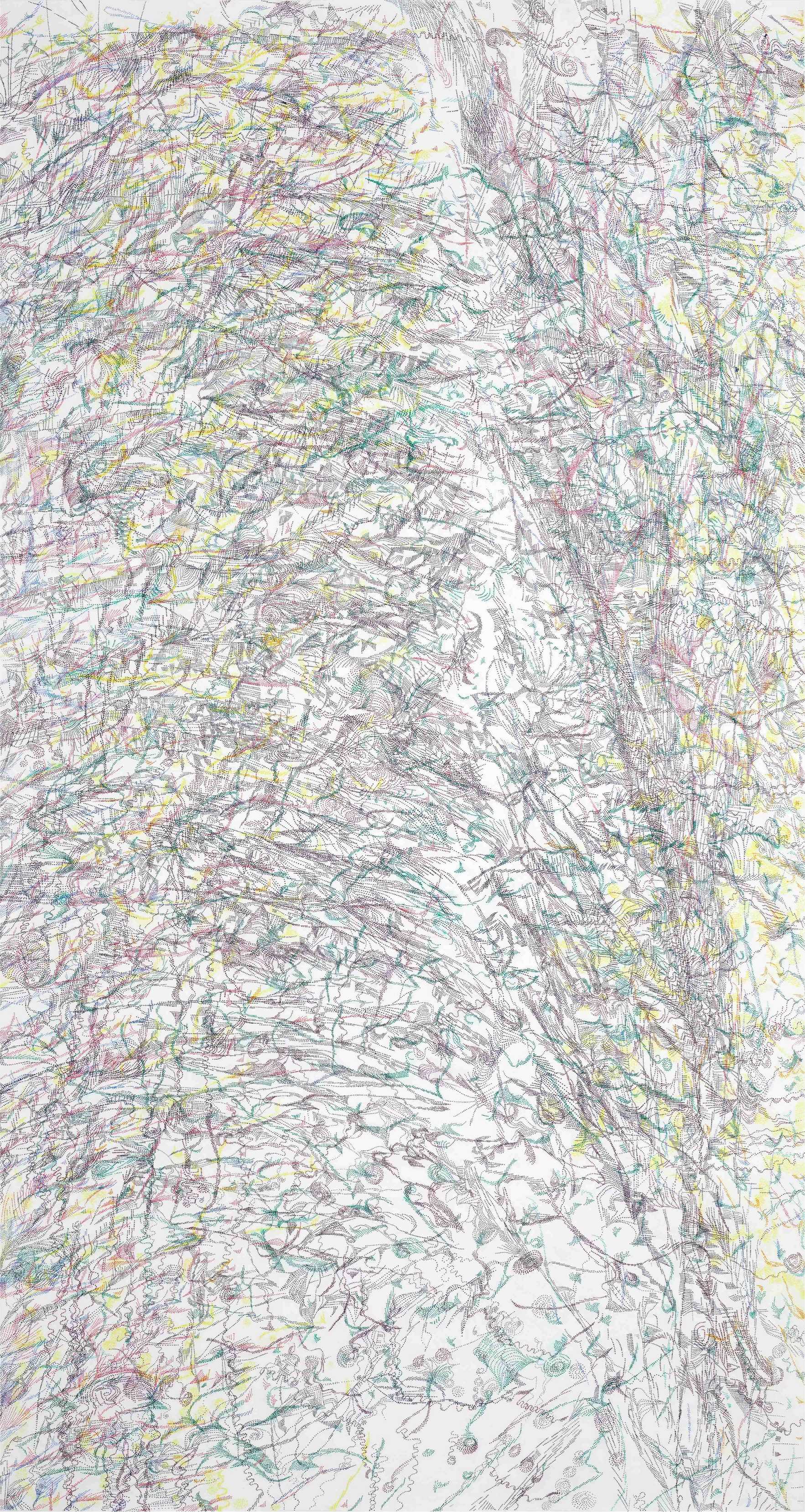
爱因斯坦脑宇图

卡拉扬脑宇图