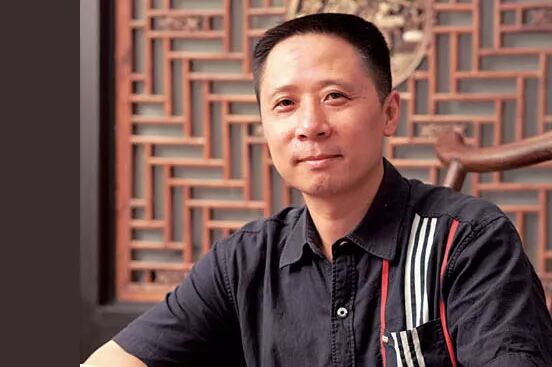
陈申乐,出生于1961年11月,国家(一级)高级玉雕技师、海派玉雕大师。1976年在上海玉石雕刻厂工业中学学习传统玉雕炉瓶的制作,历时三年半,掌握了炉瓶制作的基本要领及制作表现手法。1979年从上海玉石雕刻厂工业中学毕业后,在上海玉雕厂炉瓶车间工作实践达六年之久,历年被评为质量标兵及上海市优秀新工人,并提前晋级,成为同龄人中第一个独立担纲设计制作一体化的制作能手,其作品碧玉浮雕笔筒“大千世界”于1986年荣获中国玉器百花奖银奖。1985年参加全国统一高考,以优异成绩被上海东华大学(原上海纺织工业专科学校)服装系录取。在校学习期间,于1986年“上海市工艺美术之夜”推出个人服装设计专场,在百套蜡染服装面料上创造性地采用了传统青铜纹样,使人耳目一新,开创了工艺品传统纹样时尚化的先例。
进入上海玉雕厂后,师承有“南玉一怪”之誉的刘纪松,同时受周寿海(中国工艺美术大师)老艺人指导。陈申乐2005年收徒陈军,2009年收徒卢毅,2011年收徒解飞飞。2011年大徒弟陈军被上海市海派玉雕文化协会评为上海海派玉雕师。
历年来作品曾获:百花奖、神工奖、玉龙奖等重要奖项,在“东方财经”、“富世”杂志、“侨报”、“赤子·收藏”杂志等媒体、杂志进行过专访以及论文发表。
陈申乐擅长海派风格的炉瓶器皿创作,作品继承了前辈大师的创作风格,以稳重典雅的造型、古朴精美的纹饰、富有浓厚青铜器趣味的器形见长。创作中融入了个人的美学修为及符合时代特征的审美取向,总结下来有四点:
精──器形规整,精雕细琢,打造出器皿陈设类物件的雄浑气势及历朝历代皇家专用器具的独有霸气。创作中注重作品文化内涵的挖掘,并将现时代新新人类的开拓精神,与传统器形融为一体,在作品中力求“精、气、神”的灵性表达。
巧──善待材料,巧妙构思,在设计中体现“海纳”精神。巧用料色,大胆创意,对传统题材加以提炼、转化和创新。深化理解雕琢工艺,传承发扬传统技艺,灵活运用和变幻,使作品所表达的思想深度,传承延续古老的寓意与体现时代感并存。
蕴──作品洋溢着浓郁的文化气息,造型严谨,古朴庄严,将泰汉时期青铜器形加以演变,神化,变幻,结构严谨而不失新颖,细节刻画传神且韵味悠远,纹样变化又充满灵气,制作技艺娴熟,使作品古蕴悠长,新意盎然。
绝──设计思维大胆,敢于挑战极限,看似规矩传统的炉瓶器皿,无不蕴含细节处理的玄妙,追求一种“绝处逢生”的惊险。工艺制作手法也常有突破传统的绝妙精细,将传统的中国文化与海纳百川的文化精神巧妙融汇,于玉器创作中再现炉瓶器皿的时代霸气。
陈申乐几十年如一日,亲自设计并亲手制作海派炉瓶玉器,秉承炉瓶器形及玉雕纹样的传统、制作工艺及表现手法,同时沿袭海派玉器的传统,坚持每年都有玉器炉瓶新作问世。
凭借大学所学的专业艺术概念及深厚的美术设计功底,陈申乐在传统工艺技法以及海派炉瓶经典器形的惹出上,追求创新,设计中不断注入其他门类艺术元素,增加了更符合现时代精神象征的文化内涵及审美情趣,使得海派炉瓶创作在继承传统经典的基础上打开了更为宽阔的艺术视野,体现了海纳百川的创作精神。
陈申乐不断与国内外各地区收藏家玩家互动学习,交流心得,推广中国玉文化深远的国际影响力。与美国旧金山著名陶瓷艺术家Richard Clark Edelstein及美国KATHERNE珠宝首席设计师Angela ZHANG,探讨中国玉雕的传统文化理念,并应邀成为美国专业玉石网站的中国玉雕顾问,为中国玉文化在国际上的传播做出了很大的贡献。
Chen Shenle was born in November 1961 and is a National (Level-I) Senior Jade Carving Technician as well as a Shanghai-style Jade Carving Master. In 1976, he studied the traditional craftsmanship of making incense burners and vases at the Industrial Middle School of the Shanghai Jade Carving Factory; over a period of three and a half years, he mastered the fundamental techniques and expressive methods involved in these pieces. After graduating from the Industrial Middle School of the Shanghai Jade Carving Factory in 1979, he spent six years working in the Incense Burner and Vase Workshop at the Shanghai Jade Carving Factory. Throughout this time, he was recognized as a Quality Model Worker and an Outstanding New Worker of Shanghai Municipality, and he was promoted ahead of schedule, becoming the first among his peers to independently undertake both the design and manufacturing processes. His work, the jade relief brush holder titled "The Great Thousand Worlds," won the Silver Award at the China Jade Art Hundred Flowers Award in 1986. In 1985, he took the National Unified College Entrance Examination and was admitted to the Department of Fashion Design at Donghua University (formerly Shanghai Textile Industry Specialized School) with outstanding academic performance. During his studies at the university, he hosted a dedicated personal fashion design showcase at the "Shanghai Arts and Crafts Night" in 1986, where he creatively incorporated traditional bronze patterns into hundreds of batik fabric garments—a groundbreaking approach that revitalized traditional craft motifs for contemporary use.
Upon joining the Shanghai Jade Carving Factory, Chen Shenle studied under Liu Jisong—renowned as the "Unique Master of Southern Jade Carving" —while also receiving guidance from the veteran artisan Zhou Shouhai (Chinese Master of Arts and Crafts). In 2005, Chen Shenle took on Chen Jun as his disciple; in 2009, he took on Lu Yi as his disciple; and in 2011, he took on Xie Feifei as his disciple. In 2011, his senior apprentice Chen Jun was honored as a Shanghai Haipai Jade Carving Master by the Shanghai Haipai Jade Carving Culture Association.
His works have been honored with prestigious awards including the Baihua Award, the Shen Gong Award, and the Yulong Award; he has also been featured in exclusive interviews and his academic papers have been published in media outlets and magazines such as "Oriental Finance," "Fushi Magazine," "Qiaobao," and "Chizi Collection."
Chen Shenle specializes in the creation of vessels and decorative objects in the Shanghai-style art tradition. His works inherit the creative styles of his predecessors, distinguished by their stable and elegant forms, simple yet exquisite decorative patterns, and vessel shapes imbued with a strong sense of bronzework aesthetics. In his creative process, he integrates his personal aesthetic sensibility with an aesthetic orientation that resonates with the characteristics of the contemporary era; these elements can be summarized into four key points:
The craftsmanship is exquisite—with precisely shaped forms and meticulous detailing that imbues these decorative objects with a majestic presence and the distinctive authority characteristic of imperial utensils throughout successive dynasties. In the creative process, emphasis is placed on excavating the cultural depth of the work, seamlessly integrating the pioneering spirit of contemporary generations with traditional form, while striving to achieve an expressive embodiment of "excellence, vitality, and essence" within each piece.
Skill—handling materials with wisdom, employing ingenious conceptualization to embody the "Hai Nai" spirit in the design process; utilizing material colors creatively, embracing bold innovation, and refining, transforming, and innovating upon traditional themes; deepening one's understanding of carving techniques, preserving and promoting traditional craftsmanship, and applying these techniques flexibly through adaptation and variation—all of which enable the work to convey profound ideological depth while simultaneously inheriting ancient symbolism and reflecting contemporary sensibilities.
Yun – This artwork is imbued with a rich cultural ambiance; its forms are meticulously crafted, exuding an ancient and solemn elegance. It evolves, mythologizes, and transforms the shapes of bronze vessels from the Thai-Han period, combining rigorous structure with innovative design. The details are rendered with vivid precision and enduring charm, while the decorative patterns are full of vitality. The masterful craftsmanship lends the piece both timeless depth and vibrant contemporary relevance.
The design thinking behind these works is bold—daring to challenge boundaries; even seemingly conventional pottery and vessels embody the subtlety of meticulous detail, pursuing a thrilling sense of "finding survival in the most desperate circumstances." The craftsmanship techniques often break through traditional conventions with exquisite finesse, skillfully integrating traditional Chinese culture with the inclusive spirit of embracing all influences, thereby recreating the majestic presence of these artifacts in jade art creation.
For decades, Chen Shenle has remained steadfast in his dedication to personally designing and crafting Haipai-style incense burners and vase-yu ware—upholding the traditional forms of these vessels, the patterns of jade carvings, as well as the corresponding craftsmanship and artistic techniques—while continuing the legacy of Haipai jade artistry by ensuring that new works of jade incense burners and vases are introduced every year.
Drawing upon his university-acquired professional artistic concepts and profound expertise in visual design, Chen Shenle pursues innovation by integrating elements from other art forms into his designs, while drawing inspiration from traditional craftsmanship techniques and the classic forms of Shanghai-style incense burners and vases. This approach enriches these artworks with cultural depth and aesthetic appeal that resonate with contemporary values, enabling the creation of Shanghai-style incense burners and vases to expand its artistic horizons beyond traditional boundaries—embodying a creative spirit of embracing diversity and inclusiveness.
Chen Shenle continuously engages with collectors and enthusiasts from various regions both domestically and internationally, learning from them and sharing insights, thereby promoting the profound international influence of Chinese jade culture. He has explored the traditional cultural concepts behind Chinese jade carving in collaboration with renowned American ceramic artist Richard Clark Edelstein and Angela ZHANG, Chief Designer at KATHERNE Jewelry; he was also invited to serve as a Chinese jade carving consultant for a leading American jade-related website, making significant contributions to the global dissemination of Chinese jade culture.(注:来自智能翻译)
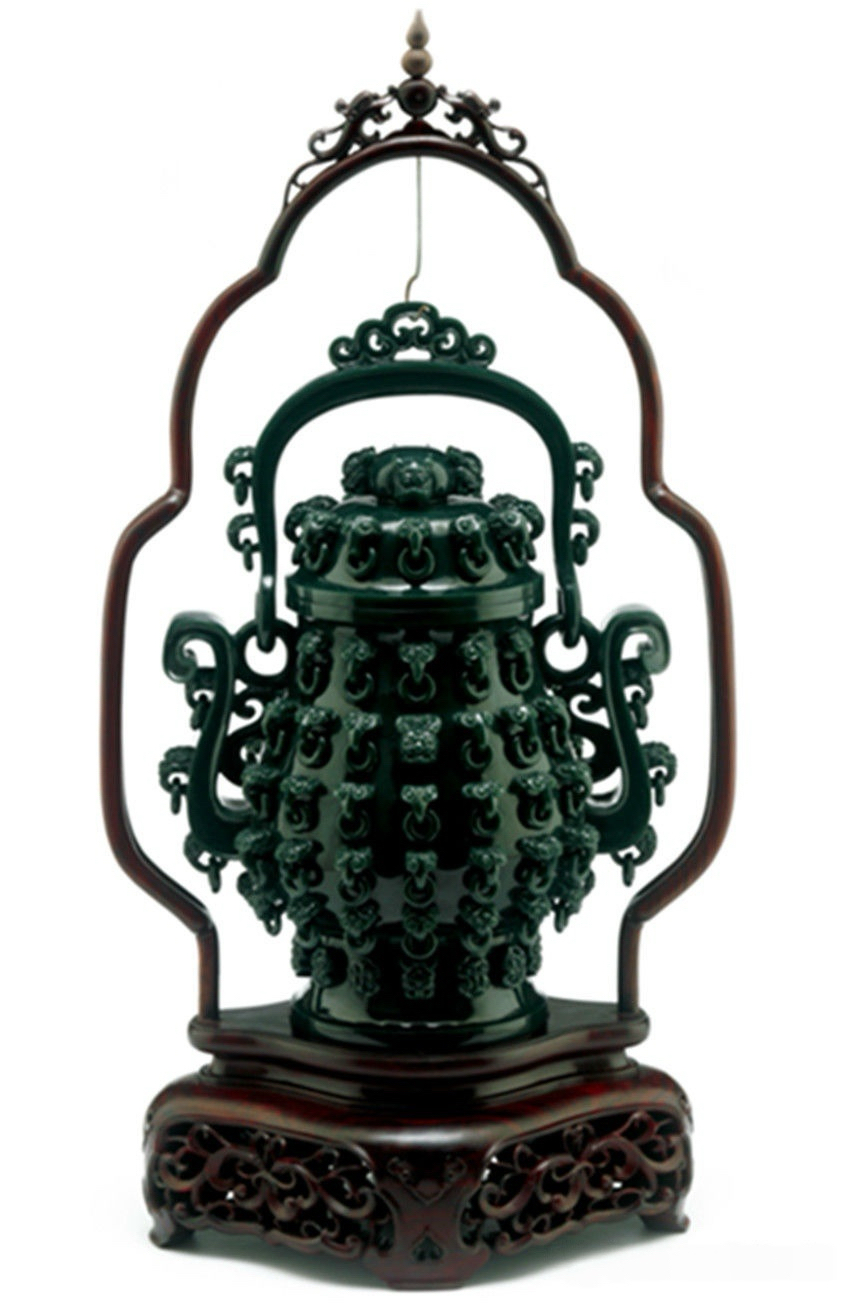
青海碧玉“百圈炉”──海派玉器经典器形,器形规整,端庄大气,工艺精湛,远观有敦厚沉稳之感,凝畔有玲珑细致之雅,为海派炉瓶经典传承之作。
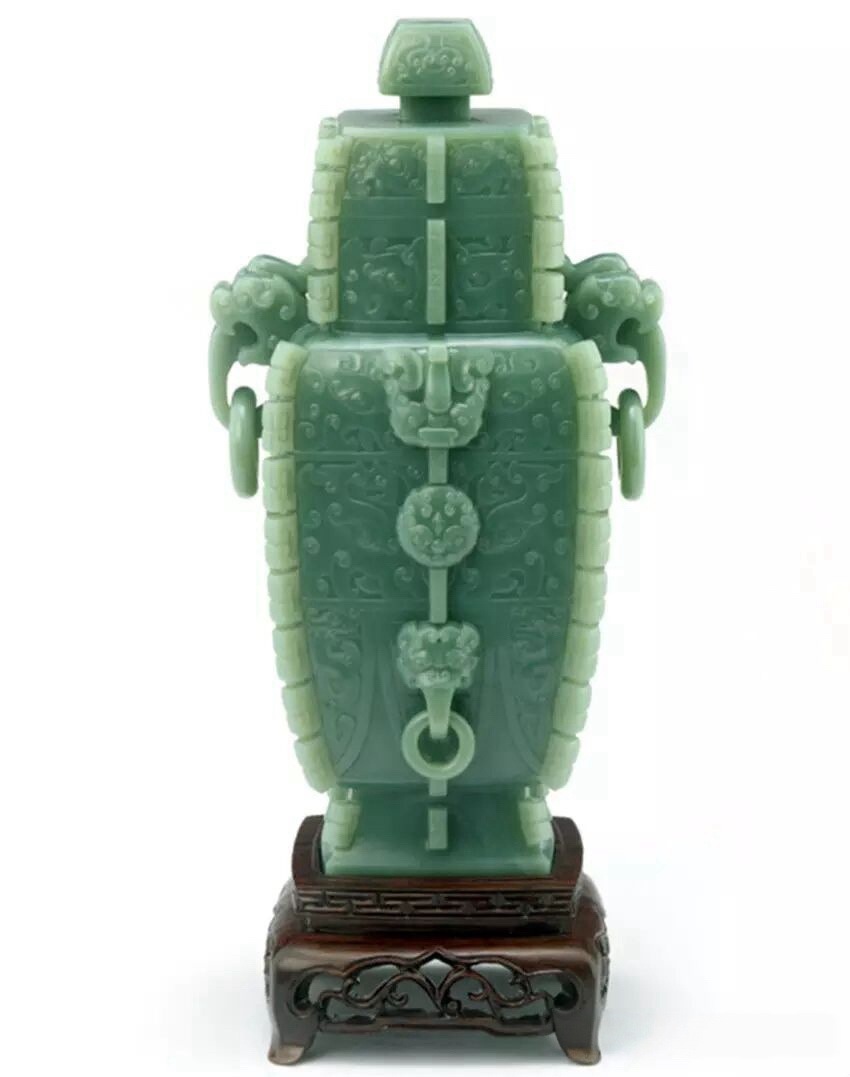
俄罗斯青玉籽料“罍”──玉器罍瓶,由青铜器形演变而来,精工细作,凝重大方。
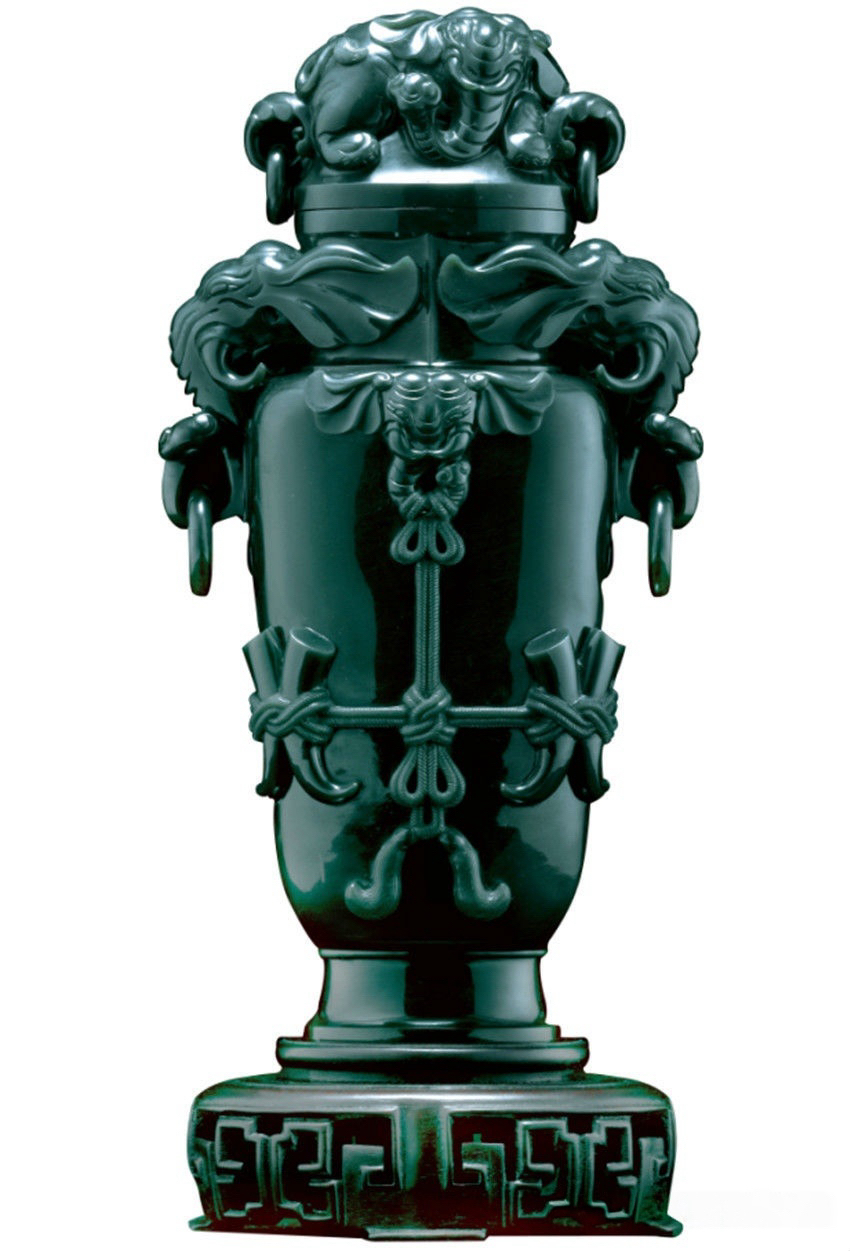
青海碧玉“象瓶”──传承海派炉瓶传统技艺的基础上,加进了现代审美元素,体现了传承创新的理念。线条流畅,动感十足,使端庄稳重的器形流淌者一股灵动之气。
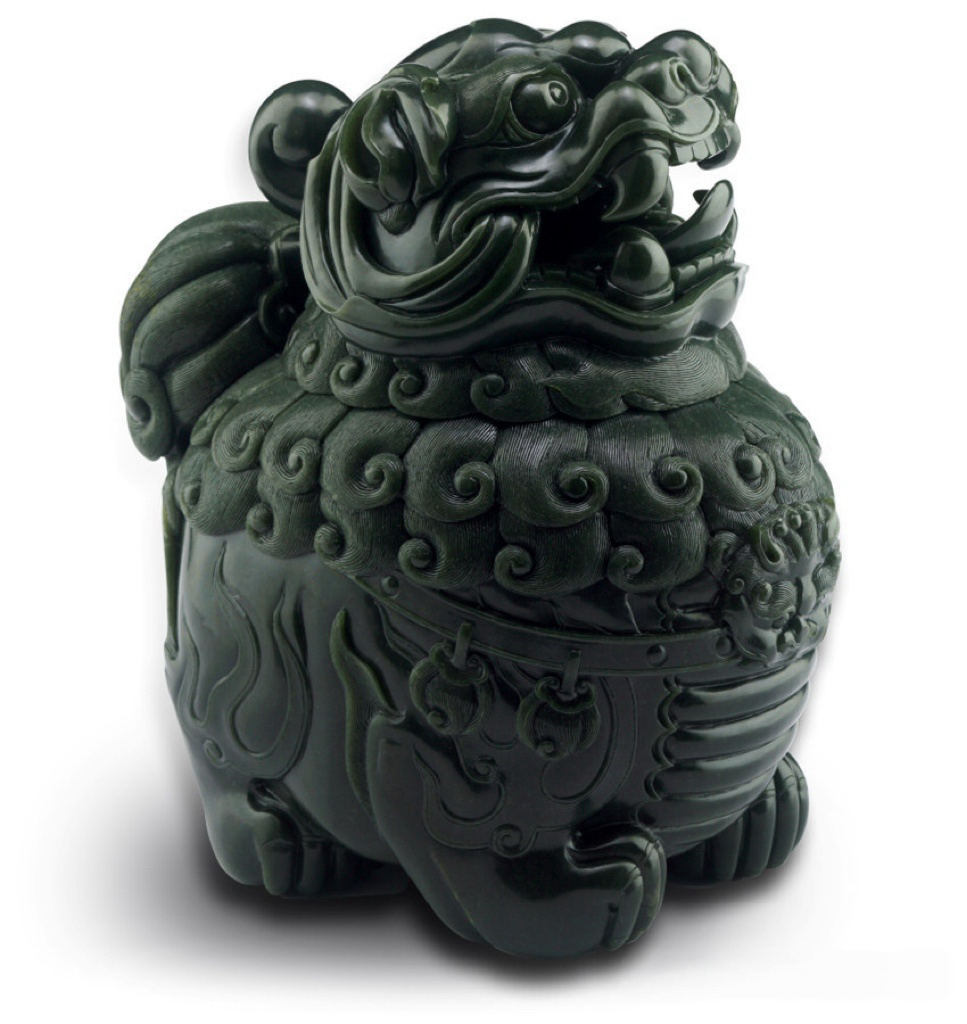
青海碧玉“端炉”──以神兽狻猊为造型,外形凝炼,制式大气,器形在沿袭海派玉雕传统造型的基础上,融入了对器物内涵的文化理解,大胆地使用个性化表现手法,使传统的御用端炉,散发出了充满智慧的时代色彩。
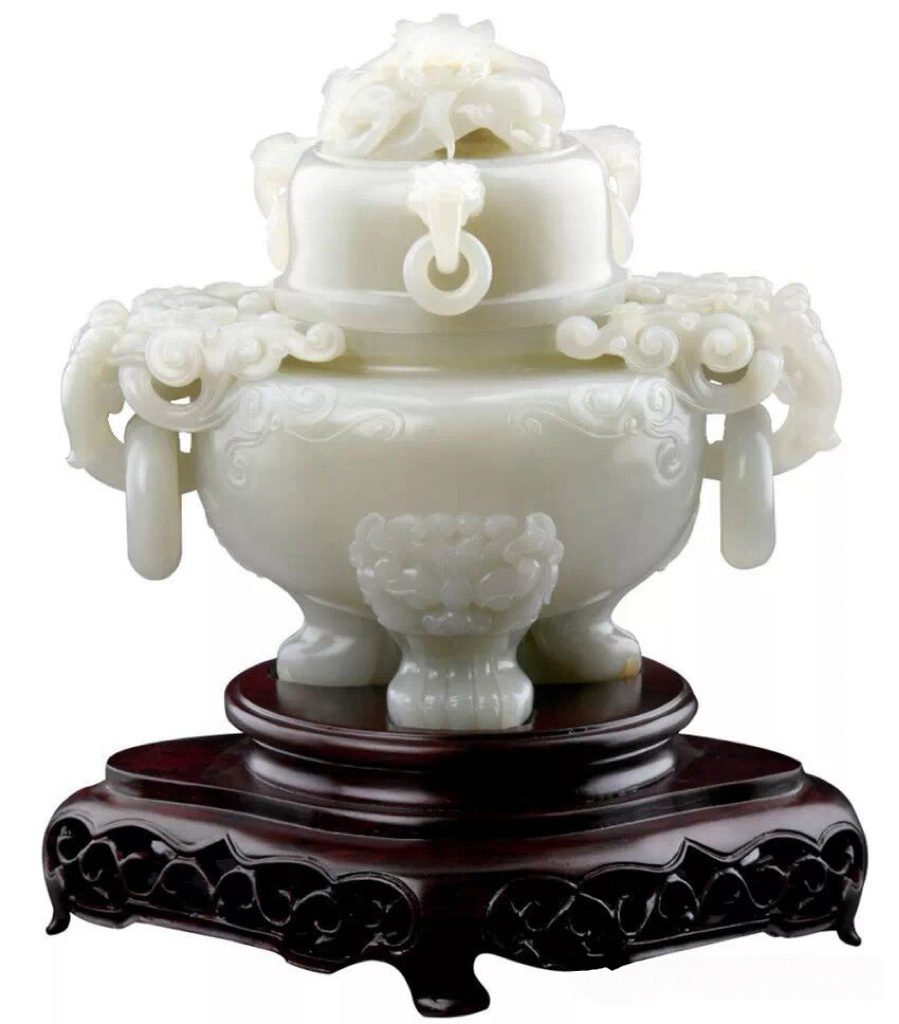
传承海派玉雕的经典器型,在细节上吸收了西方雕刻艺术的元素,以精微处见工夫,精湛的工艺技巧使整个作品大气典雅、臻于完美。